
Engineering Unstructured Healthcare Data for What Comes Next
by admin on Feb 04, 2026In healthcare, some of the most valuable data never fits neatly into rows and columns. Clinical notes, diagnostic reports, scanned documents, voice transcriptions, and narrative summaries capture critical context—but they also introduce complexity, risk, and operational friction.
As healthcare organizations modernize applications, accelerate release cycles, and expand AI initiatives, unstructured data has become both an opportunity and a constraint. While AI-based scanning and redaction tools have made it easier to identify and remove sensitive values, privacy alone does not make unstructured data usable at enterprise scale.
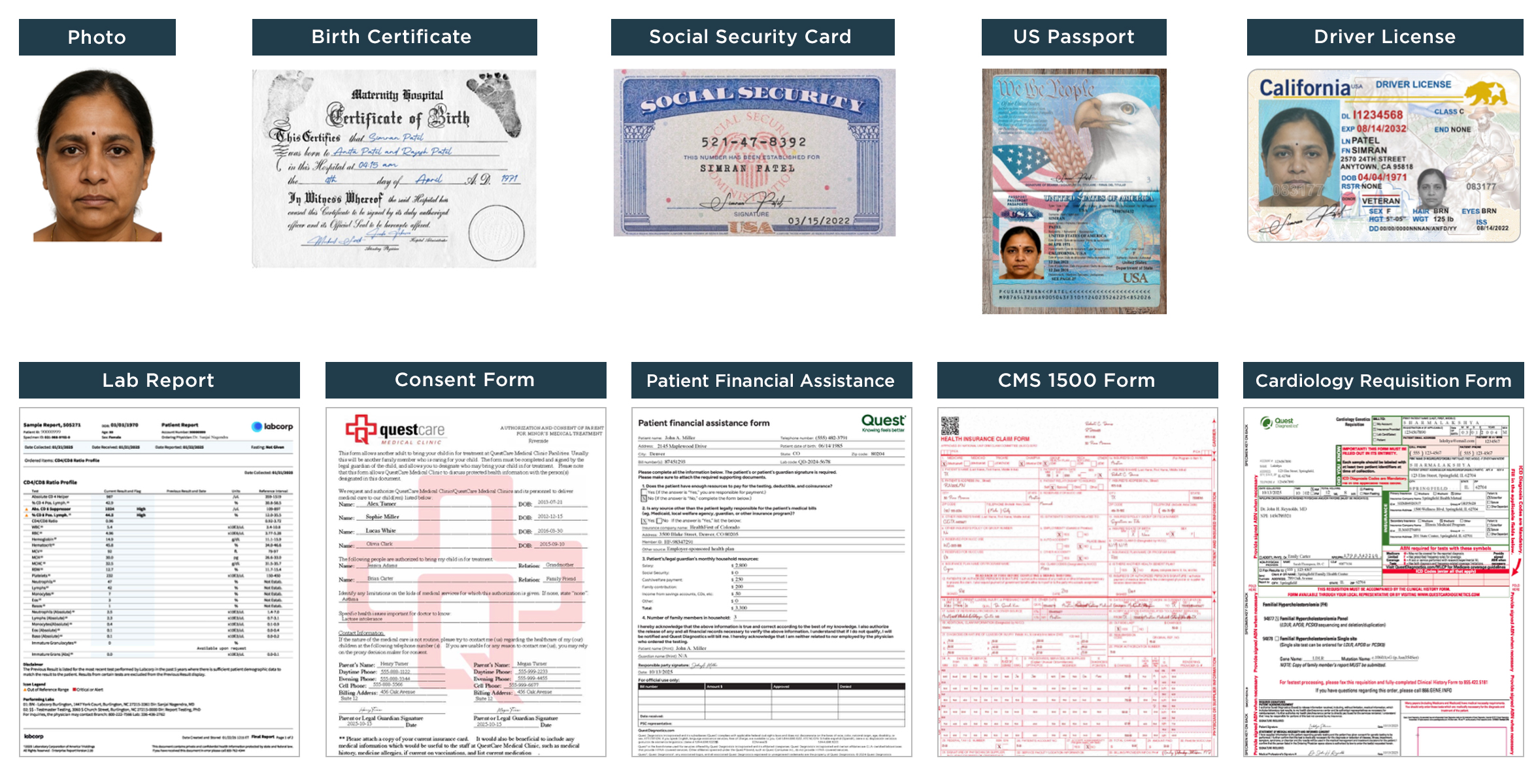
The real challenge lies elsewhere: volume, controlled variety, negative and edge-case data, repeatability, governance, and integration into automated pipelines. Without these, engineering teams struggle to test thoroughly, QA teams lack coverage, and AI initiatives stall due to inconsistent or insufficient data.
In our latest article, Engineering Unstructured Healthcare Data for Testing, AI, and Compliance, we explore:
- How healthcare defines and works with unstructured data today
- Why privacy-focused approaches fall short for enterprise use
- The shift from processing unstructured data to deliberately engineering it
- What it takes to make unstructured data repeatable, scalable, and automation-ready
If unstructured data is limiting your ability to modernize systems, increase test coverage, or responsibly scale AI, this article offers a clear, practical perspective on what needs to change—and why.
👉 Read the full article to learn how healthcare organizations are rethinking unstructured data for the next generation of software and AI initiatives.